
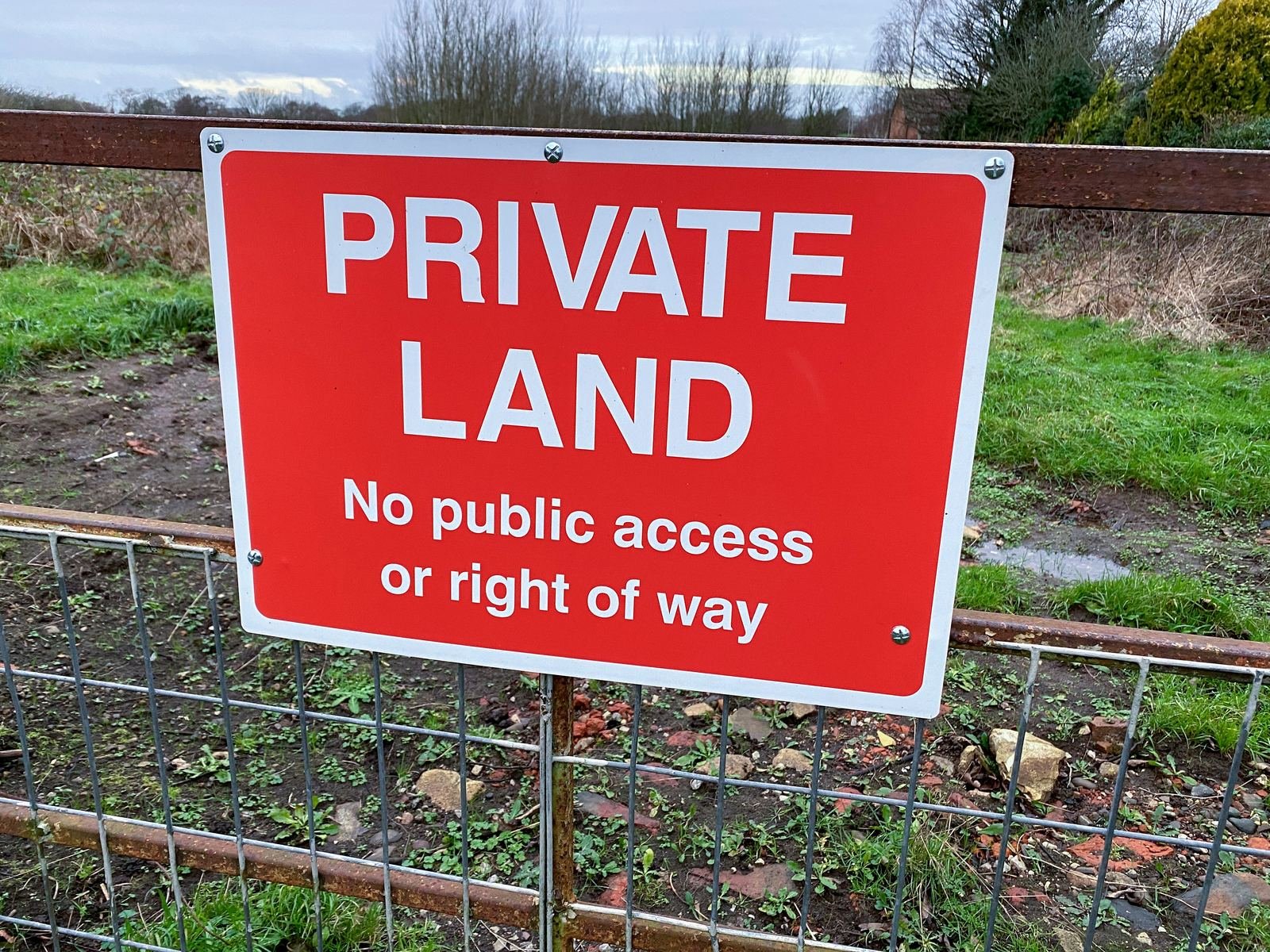
An easement is the legal right for one party to use a specific part of someone else's property for a specific purpose. The land still belongs to the owner, but the easement holder has a permanent right to do something on it — drive across it, run a utility line through it, access a back lot from it.
Easements are recorded on the deed but are rarely visible on the ground. Most homeowners don't think about them until they show up in a survey, a closing, or a dispute.
The common types
Utility easements
The most common easement on residential property. Utility companies hold easements for power lines, gas lines, water mains, sewer, and telecom. You typically can't build a permanent structure (a garage, a pool, a shed) inside a utility easement.
Access easements
Common on rural and waterfront properties. A neighbor with a back lot may hold an easement to drive across your land to reach theirs. Shared driveways often have an easement defining who maintains what.
Drainage easements
Define where stormwater or runoff is allowed to flow across a parcel. Often required by the municipality to keep neighborhood drainage working.
Conservation easements
Restrict development to preserve farmland, forest, or wildlife habitat. The owner gives up certain rights permanently in exchange for tax benefits or as a condition of purchase.
Why easements matter when you buy
An easement reduces what you can do with the property. Before buying, you want to know:
- What easements exist on the parcel
- Exactly where each easement runs on the ground
- What restrictions each easement places on use
- Who holds the rights — and whether they're actively used
A title commitment lists the recorded easements. A survey plots them on the ground. You need both to understand what you're actually buying.
Why easements matter when you build
Most easements prohibit permanent structures within their footprint. Building inside one — even by a few feet — can result in forced removal at your expense, plus damages to the easement holder.
If you're planning a new home, garage, addition, fence, or pool, identify every easement on the parcel first. We've seen builds halted mid-construction because an easement wasn't checked.
"Bought 40 acres on the survey and Latitude's report. Showed me an unrecorded easement that would have changed the deal." — Dave L., Investor
Granting an easement
Sometimes you need to grant an easement to a neighbor — usually for a shared driveway, a utility connection, or formal access to a landlocked parcel. The easement needs a precise legal description and a clear exhibit so all parties (and any future owner) know exactly what was granted.
That's where a surveyor comes in. We field-locate the easement, write the legal description, and prepare the exhibit map so the easement records cleanly the first time.
The bottom line
Easements affect property value, what you can build, and what you actually own. Before you buy or build, get the easements identified and mapped. The cost is small; the protection is significant.
Have a question about an easement on a specific parcel? Send us the address and we'll review the title and survey work needed.